Three Days at The AI Conference 2026: What It Means for Business Owners
Notes from The AI Conference 2026 at Pier 48 in San Francisco, and what the talk about agents, reliability and enterprise AI actually means for a growing business.
By Forward Integrations5 min read
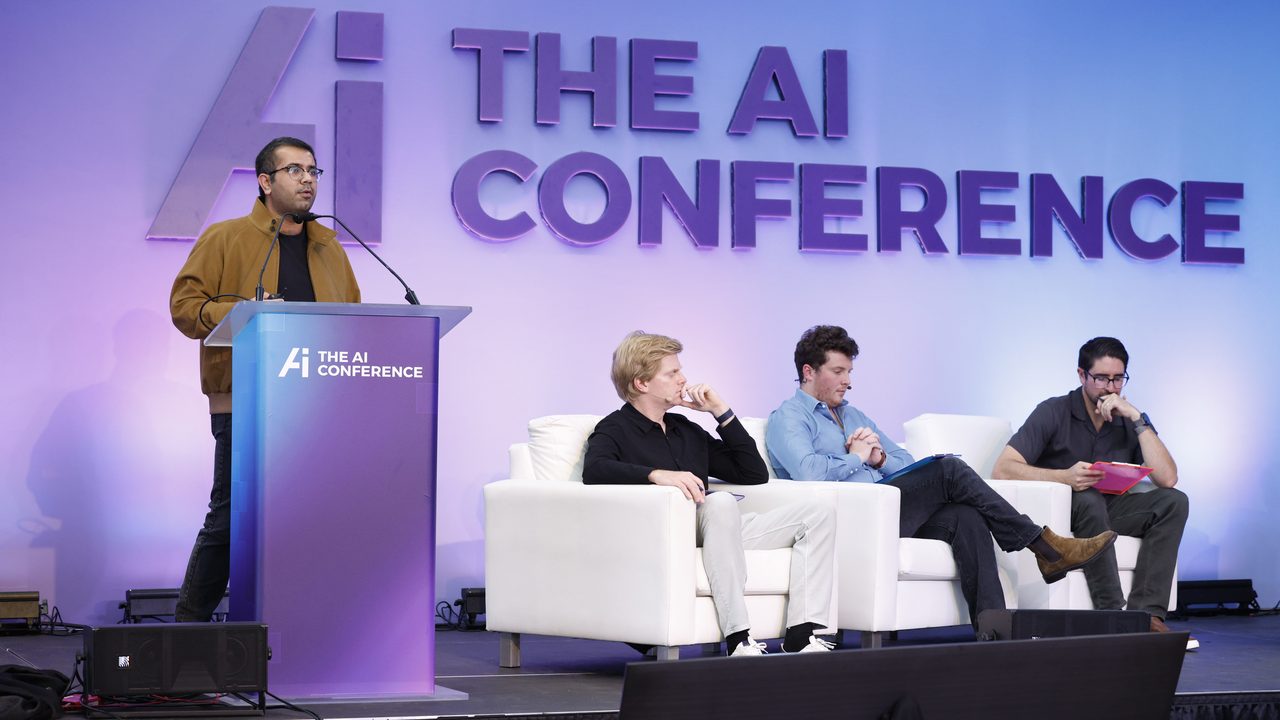
Thank you to everyone we met at The AI Conference 2026 (opens in a new tab) in San Francisco. Three days at Pier 48, 120-plus speakers across seven tracks, and more good conversations in the hallways than we can count. This post is our thanks, our notes, and a translation of what we heard into terms that matter if you run a business rather than a research lab.

The event
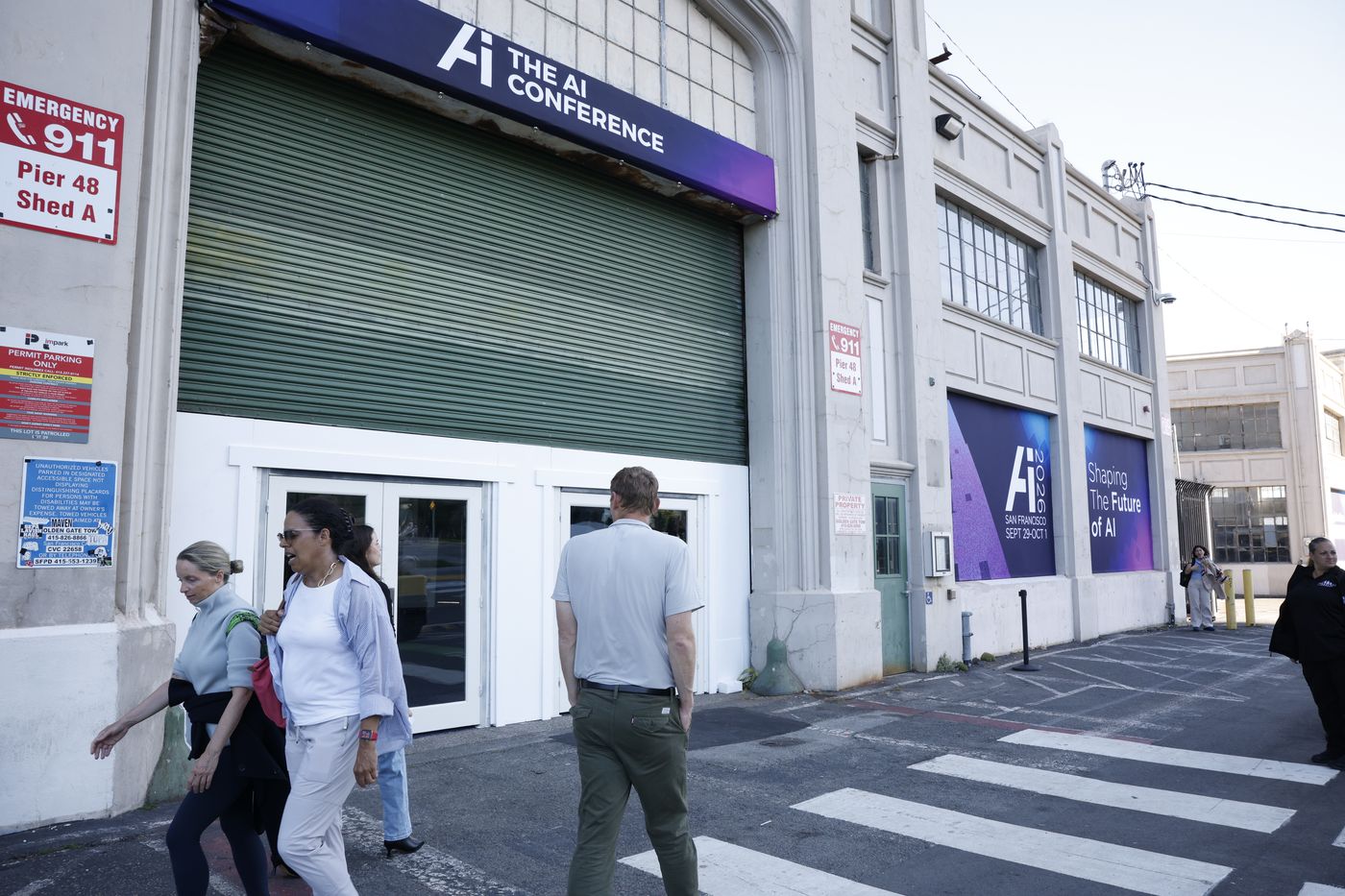
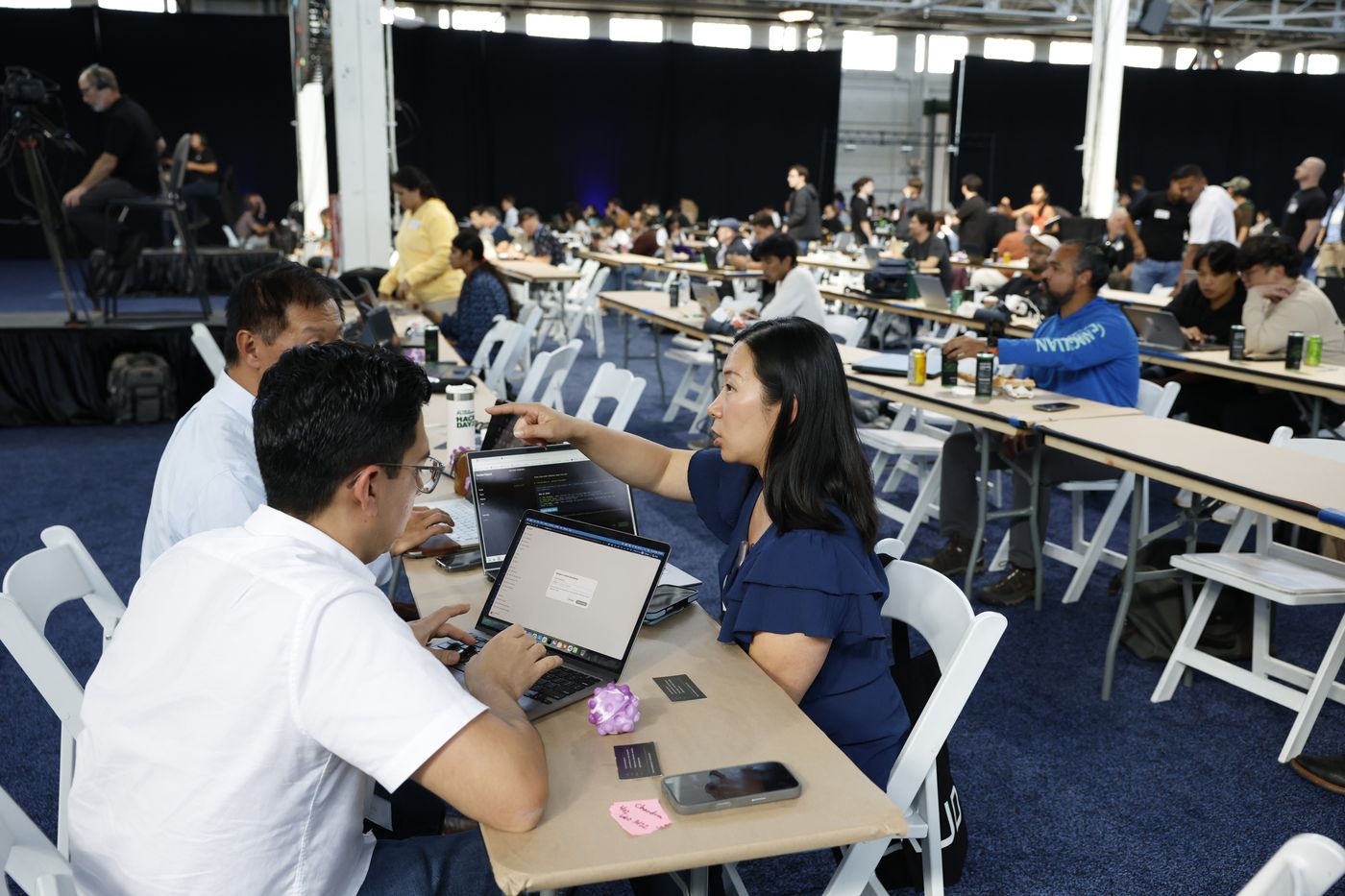
The AI Conference ran from September 29 to October 1, 2026, at Pier 48 on San Francisco's Mission Rock waterfront, a short walk from Oracle Park. It opened with Day ZERØ, a smaller day of eight focused workshops and a live Hack Day, before the main two days of talks, panels and a startup floor.
The organisers describe it as a multi-day event exploring agentic AI, frontier models, infrastructure, security, governance, evaluation, AI startups and real-world enterprise applications. The speaker list backed that up: Peter Norvig of Stanford's Human-Centered AI Institute, Emmanuel Ameisen of Anthropic, Illia Polosukhin, a co-author of the paper behind modern language models, Ion Stoica of UC Berkeley and Databricks, Chris Lattner of Modular, Sergey Levine of UC Berkeley and Annie Surla of NVIDIA, among many others. The tracks spanned infrastructure, product, applied AI, strategy and frontier research, with separate technical and leadership streams.
The next edition is already set for October 12 to 14, 2027, back in San Francisco.
Why a business software studio from Atlanta was there
Forward Integrations builds the systems behind growing companies: the software that answers the calls, sends the quotes, moves the invoices and keeps the books straight. More and more of that work now has a model somewhere inside it, answering an after-hours enquiry, sorting an inbox, drafting a reply for a person to approve.
We went to listen. Our clients are trades companies, property managers, practices and shops across the US, and the question we carried into every session was simple: which of this is ready for a company with twelve trucks and three people in the office, and which of it is still a demo?
What we heard, translated
1. The conversation has moved from "can it" to "can we trust it"
Two years ago the excitement was about what models could do. This year the serious sessions were about evaluation, monitoring and governance: how you know a system did the right thing, how you find out when it did not, and who is accountable when it matters.
For an owner, that is the right conversation. If a vendor shows you an assistant that books jobs, the questions to ask are the ones the engineers on stage were asking each other: What happens when it is unsure? Who gets told when a step fails? Can I see what it did last Tuesday? A system that cannot answer those is not ready for your customers.
2. The enterprise talks were about plumbing, not models
The applied and enterprise sessions spent surprisingly little time on which model is best. They spent most of it on the unglamorous parts: getting data out of the systems where it lives, connecting tools that were never designed to talk to each other, and deciding which decisions a person must still make.
That matches what we see in a 30-person company. The hard part of answering the phone automatically is not the language model. It is knowing the customer's history, the technician's calendar and the price book, and writing the booking back to the right place. The companies that get value from this technology are the ones whose plumbing is sound.
3. Frontier research and a growing business are further apart than the headlines suggest
Some of the most interesting talks were about where the research is heading. Very little of it will reach a property management office this year, and that is fine. What reaches you is narrower and more useful: intake that never misses, follow-up that never forgets, reporting that assembles itself. None of that needs the frontier. It needs someone to build it carefully around how your business already works.
4. Most tools on the startup floor are built for engineers
The startup area was full of capable products, and almost all of them assume a developer on the buying side. That is the gap a company like ours fills: choosing the few that are solid, connecting them to your existing systems, and taking responsibility for keeping the whole thing running. The buyer should never need to know what is inside.
What we are doing with it
Three things came home with us.
- Reliability is the product. We already monitor every workflow we run for clients and get the alert before they do. After this week we are making that promise more visible, because it is the thing owners worry about most and the thing the industry is finally talking about.
- A person approves what customers see. The leadership sessions kept returning to human oversight. Our rule stays the same: the system drafts, your team decides.
- Plain language wins. The best speakers explained hard things simply. Our clients should never have to learn the vocabulary of this field to benefit from it, and our job is to translate.
Thank you
To the organisers of The AI Conference, thank you for a well-run three days and for allowing us to use the event's name and logo in this post. To the founders, engineers and fellow operators we talked with between sessions, thank you for your time and your candour. If you were one of them and want to continue the conversation, you know where to find us.
If you run a business and want to know which of this is ready for you, we are happy to talk it through in a 20-minute call. No jargon, and you will leave knowing what to do next whether or not you work with us.
*The AI Conference name and logo are the property of The AI Conference™, LLC and are used here with permission for this post. Event details are from aiconference.com (opens in a new tab).*
General information only, not legal, tax or financial advice. Examples and figures are illustrative.